Learn how behavioral health leaders can protect clinician capacity through sustainable workloads, recovery, better workflows, leadership support, Corporate Wellness, and retention strategies.
Read More
Learn how behavioral health leaders can protect clinician capacity through sustainable workloads, recovery, better workflows, leadership support, Corporate Wellness, and retention strategies.
Read MoreExplore the hidden relationship between chronic stress, clinician capacity, recovery, and performance consistency—and why sustainable performance matters for behavioral health businesses.
Read MoreSustainable clinical performance starts with recovery. Learn how recovery, clinician capacity, nervous system regulation, and Corporate Wellness support long-term performance and retention.
Read MoreLearn how chronic stress can affect attention, emotional availability, decision-making, clinician capacity, and sustainable clinical performance without framing stress as a clinician deficiency.
Read MoreLearn how chronic stress can affect attention, emotional availability, decision-making, clinician capacity, and sustainable clinical performance without framing stress as a clinician deficiency.
Read MoreDoing more with less can look productive while quietly reducing clinician capacity. Explore how workload, burnout, engagement, and retention connect to sustainable performance.
Read MoreClinicians can continue showing up while their emotional and cognitive capacity quietly declines. Learn how reduced availability affects clinical work, engagement, retention, and business sustainability.
Read MoreYour clinical team can be fully staffed, meeting productivity targets, and still be operating below sustainable capacity. Learn five subtle signs that your clinicians may have less bandwidth than your business assumes—and why recognizing them early matters for retention, performance, and long-term sustainability.
Read MoreTherapist turnover is often treated as a recruiting problem, but the story frequently begins much earlier. Explore the connection between burnout prevention and clinician retention—and why supporting therapist wellbeing can become a strategic investment in the long-term sustainability of a behavioral health business.
Read MoreWhen a therapist leaves, the cost isn't limited to posting a job and hiring someone new. There are hidden costs in lost productivity, disrupted client relationships, team capacity, institutional knowledge, and employee morale. Here's why therapist retention deserves to be treated as a business strategy.
Therapist retention is becoming more than an HR concern. For mental health businesses, retaining experienced clinicians can protect client continuity, institutional knowledge, productivity, and long-term growth. Explore why clinician wellbeing, Corporate Wellness, leadership, and sustainable workplace culture belong in the retention conversation.
Read MoreBurnout doesn't mean giving up your ambition—it invites you to redefine it. Discover how therapists can pursue meaningful success through nervous system regulation, sustainable performance, and Corporate Wellness strategies that benefit both individuals and mental health businesses.
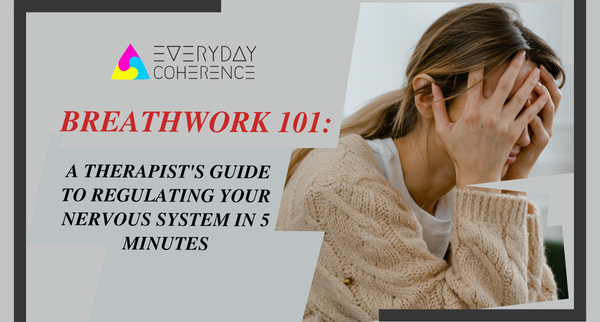
Read MoreTherapists spend their careers helping others feel safer in their own minds and bodies.
It's easy to forget that your nervous system deserves the same attention.
Breathwork isn't about escaping stress or eliminating the realities of clinical work.
It's about creating small, repeatable moments that remind your body it doesn't have to remain in a constant state of readiness.
Five minutes won't change every challenge you face.
But practiced consistently, five minutes can change how your nervous system meets those challenges.
And over time, those small moments of regulation become the foundation for a more sustainable career, deeper presence with clients, and a healthier relationship with yourself.
Read More